


Train to Protect: Occupational Health & Safety Programs

- info@safetymastery.com
- +91 7200322134
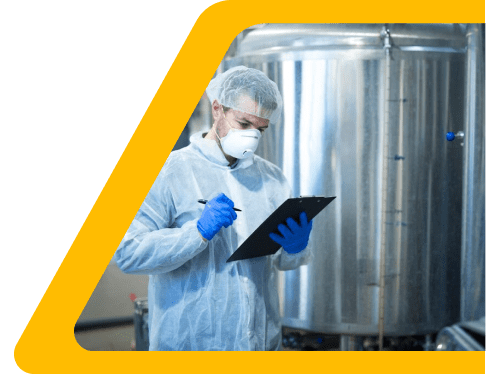

Occupational Health and Safety Courses
Occupational Health and Safety Courses
Occupational Health and Safety (OHS) courses are professional training programs designed to equip individuals with the knowledge and skills needed to identify workplace hazards, ensure regulatory compliance, and promote a safe and healthy work environment.
These courses are essential for industries such as construction, oil & gas, manufacturing, healthcare, logistics, and mining—where managing risk and safety is critical to operations and employee well-being.

What You’ll Learn in an Occupational Health & Safety Course?
Enrolling in an Occupational Health and Safety (OHS) course equips you with the critical skills and knowledge to create safer, healthier, and legally compliant workplaces. Whether you’re new to the field or looking to advance your career, you’ll gain practical insights that are valued across industries.
Key Learning Outcomes:
- Hazard Identification & Risk Assessment
Learn how to spot workplace risks and assess their impact to implement effective control measures. - Occupational Health Principles
Understand industrial hygiene, exposure limits, and how to protect workers from physical, chemical, and biological hazards. - Fire & Emergency Response
Get trained in fire prevention, evacuation procedures, and emergency preparedness for various workplace settings. - Health & Safety Laws & Standards
Gain in-depth knowledge of national and international safety laws, including OSHA, ISO 45001, and local compliance requirements. - Incident Investigation & Reporting
Master techniques for investigating workplace accidents, identifying root causes, and preventing recurrences. - Safety Management Systems (SMS)
Learn how to develop, implement, and monitor safety protocols, audits, and continuous improvement systems. - Personal Protective Equipment (PPE)
Understand PPE selection, usage, and training to protect workers from site-specific hazards. - Communication & Safety Culture
Discover how to foster a positive safety culture through leadership, training, and effective communication.
These skills not only prepare you for safety-related job roles but also empower you to make a meaningful impact in the workplace.
Popular Certifications and Diplomas in Occupational Health & Safety
Choosing the right qualification can set the foundation for a successful career in health and safety. Whether you’re just starting out or looking to specialize, here are some of the most recognized certifications and diplomas in the OHS field:
1. Diploma in Occupational Health and Safety
Covers comprehensive topics including industrial safety, legislation, and environmental health. Suitable for mid-level safety roles.
2. Advanced Diploma in OHSE Management
Designed for experienced professionals aiming to move into leadership or consultancy roles in health, safety, and environmental management.
3. ESC IDHSE – International Diploma in Health & Safety Engineering
A globally recognized Level 6 diploma that emphasizes safety engineering and technical risk control. Endorsed by Qualifi, UK.
4. IOSH Managing Safely
A short-term certification ideal for managers and team leads who need practical knowledge to oversee safety in their departments.
5. OSHA 30-Hour / 10-Hour Training (USA)
Focused on U.S. safety standards, this course is valuable for professionals working with American companies or projects.
6. Post Diploma in Occupational Health and Safety
Advanced-level program tailored for graduates or diploma holders seeking specialization in occupational risk management and compliance.
7. Certificate in Industrial Safety
Basic-level course for factory workers, technicians, and supervisors to understand safety essentials in manufacturing and heavy industries.
Industries That Hire OHS Professionals
- Construction & Infrastructure
- Oil & Gas
- Manufacturing & Engineering
- Healthcare & Pharmaceuticals
- Logistics & Warehousing
- Power Plants & Utilities
- Chemical & Process Industries
- Government and Regulatory Bodies
Get Courses Details
Get Courses Details
Career Opportunities After Occupational Health & Safety Courses
Completing an Occupational Health and Safety (OHS) course unlocks diverse and in-demand career paths across industries where workplace safety is a priority. As organizations grow more committed to legal compliance, employee welfare, and sustainable operations, qualified safety professionals are highly sought after—both locally and globally.
Key Job Roles You Can Pursue:
- Health and Safety Officer / HSE Officer
Monitor workplace hazards, conduct safety training, and ensure adherence to safety protocols. - Safety Supervisor / Site Safety Coordinator
Supervise daily site activities, ensure use of PPE, and assist in incident prevention. - Occupational Health Specialist
Evaluate employee health risks and develop programs to reduce occupational illnesses. - Risk Management Advisor
Assess operational risks and develop strategic plans to prevent incidents and losses. - Fire Safety Officer
Implement fire prevention strategies, conduct drills, and ensure fire safety compliance. - Safety Auditor or Compliance Inspector
Perform internal or external audits to ensure legal and industry-specific safety standards. - Environmental Health & Safety (EHS) Manager
Oversee environmental and safety programs, particularly in manufacturing and energy sectors. - Safety Consultant or Trainer
Offer expertise to multiple organizations, lead training programs, or develop safety documentation.
Where to Study Occupational Health & Safety Courses?
With growing demand for skilled health and safety professionals, many reputed institutions now offer specialized Occupational Health and Safety (OHS) courses in both classroom and online formats. Whether you’re looking for a basic certificate or an advanced diploma, you have a wide range of trusted providers to choose from.
Top Places to Study OHS Courses:
- Government-Recognized Institutes & Technical Boards
These include industrial training institutes (ITIs), polytechnic colleges, and safety training centers affiliated with national education boards. They often offer diplomas and advanced diplomas with recognized accreditation.
- International Safety Certification Bodies
- IOSH (UK) – Known for its “Managing Safely” course.
- OSHA (USA) – Offers safety training aligned with U.S. workplace safety standards.
- Qualifi (UK) – Provides advanced qualifications like ESC IDHSE (Level 6 Diploma).
- Private Safety Training Academies
Reputed training providers such as:
- Safety Mastery
- Redhat Safety
These academies offer a wide range of short-term and diploma-level courses in various formats (online, offline, hybrid).
- Online Learning Platforms
For those seeking flexibility, platforms like Coursera, Udemy, Alison, and institution-led virtual classrooms offer certified courses with downloadable content and instructor support.
- Universities & Colleges with Safety Science Programs
Some universities offer full-time or part-time bachelor’s and master’s programs in occupational health, safety engineering, or environmental safety—ideal for those seeking academic depth or research-oriented roles.
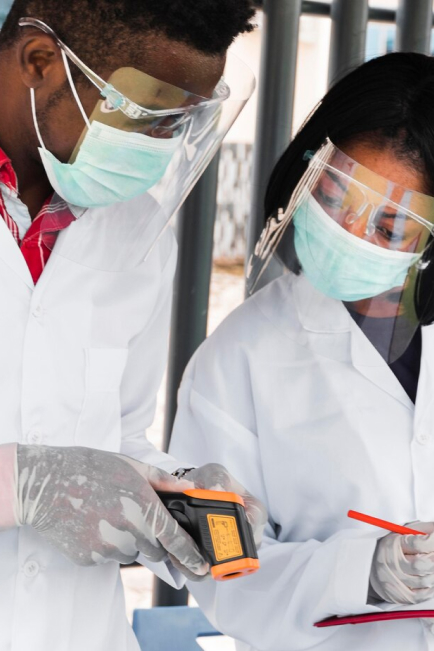
Why Take an Occupational Health & Safety (OHS) Course?
In today’s fast-paced industrial world, workplace safety is no longer optional — it’s a legal, ethical, and operational priority. An Occupational Health and Safety (OHS) course equips you with the expertise to prevent accidents, ensure compliance, and protect both lives and livelihoods.
- Boost Your Career Opportunities
An OHS certification opens doors to high-demand roles such as HSE Officer, Safety Supervisor, Risk Analyst, or EHS Manager across sectors like construction, oil & gas, manufacturing, and healthcare. - Gain Industry-Recognized Qualifications
Courses like the Diploma in Occupational Safety, or Advanced Diploma in OHSE Management are globally respected and increase your credibility with employers. - Ensure Legal Compliance & Workplace Readiness
Governments and organizations mandate safety training. Having certified safety professionals helps companies stay compliant with OSHA, ISO 45001, and local labor laws. - Create Safer Work Environments
Your training empowers you to identify hazards, reduce risks, and build safety systems that protect employees and prevent costly accidents or downtime. - Travel & Work Abroad
OHS certifications like OSHA, and ESC IDHSE are recognized internationally, allowing you to pursue opportunities across the Gulf, UK, Canada, Australia, and beyond. - Earn Better Salaries
Qualified safety professionals often earn higher-than-average salaries, especially in high-risk sectors where safety is critical. - Continuous Career Growth
From entry-level safety officers to senior compliance managers or independent consultants, OHS is a field where you can grow steadily with experience and specialization.
For More Details, Please Contact
Drop us a mail
info@safetymastery.com