


Diploma in Fire and Safety Course: Fees, Duration & Career Scope

- info@safetymastery.com
- +91 7200322134

What Is a Diploma in Fire and Safety?
What Is a Diploma in Fire and Safety?
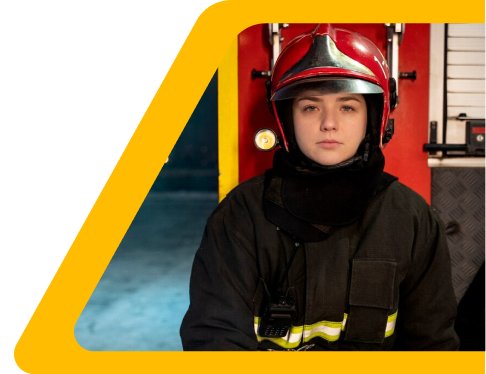
A Diploma in Fire and Safety is a specialized training program designed to equip students with the knowledge and skills necessary to prevent, manage, and respond to fire hazards and workplace safety risks. This course is ideal for individuals aiming to build a career in industrial safety, fire protection, and occupational health and safety sectors.

Average Course Fees in India for Fire and Safety Diploma
The average course fee for a Diploma in Fire and Safety in India depends on whether the certification is Indian or international:
Indian Certification
- Average Fee: ₹15,000
- Offered by institutions affiliated with bodies like BSS, NSDC, or State Technical Boards
- Ideal for entry-level safety roles in domestic industries
International Certification
- Average Fee: ₹25,000
- Includes globally recognized bodies like ESC (European Safety Council)
- Preferred by companies in the Middle East, Africa, and other global job markets
Get Courses Details
Get Courses Details
Factors Affecting the Course Fee for Diploma in Fire and Safety
The cost of a Diploma in Fire and Safety course can vary significantly depending on several key factors. Here’s a breakdown of what influences the overall fee:
Type of Certification
- Indian Certification (e.g., BSS, NSDC): Generally more affordable
- International Certification (e.g., ESC): Typically higher in cost due to global recognition and exam fees
Institute Reputation
- Premium or well-established institutes may charge higher fees due to experienced faculty, better facilities, and placement support
- New or lesser-known institutes often offer lower fees to attract students
Course Duration
- Short-term programs (3–6 months): Lower fees
- Full-year diploma courses: Higher fees due to extended training, practicals, and assessments
Mode of Learning
- Offline Classroom Training: Generally more expensive due to infrastructure and staff costs
- Online or Hybrid Learning: More budget-friendly, especially if self-paced
Location of the Institute
- Institutes in metro cities (e.g., Chennai, Mumbai, Delhi) may charge higher due to higher operating costs
- Smaller cities or towns often offer more affordable options
Facilities & Infrastructure
- Access to live fire training, simulators, labs, and industrial site visits may add to the overall fee
- Institutions offering internships or job assistance may include these in the fee structure
Additional Inclusions
- Safety gear, uniforms, ID cards, study materials
- Exam fees (especially for international boards)
- Hostel and accommodation for outstation students
Placement Support
- Institutes with strong placement networks often charge slightly higher fees for the value-added career support they provide
Inclusions in Diploma in Fire and Safety Course Fees
When you enroll in a Diploma in Fire and Safety course, the total course fee often covers more than just classroom teaching. Here’s what is typically included:
- Registration & Admission Charges
- One-time enrollment or admission fee
- Often included in the package but may vary by institute
- Tuition Fees
- Covers theoretical and practical classroom sessions
- Includes training from certified faculty and industry experts
- Study Materials
- Softcopy books, notes, and manuals
- Access to online study portals (if applicable)
- Safety handbooks and compliance guides
- Practical Training / Lab Sessions
- Fire drills and hands-on training
- Use of fire extinguishers, safety equipment, and PPE kits
- Simulated emergency scenarios
- HIRA (Hazard Identification and Risk Assessment) practice
- Examination Fees
- Includes internal and final exams
- May cover both written tests and practical evaluations
- Certification Charges
- Issuance of diploma certificate (national or international)
- Some institutes also provide transcripts or marksheets
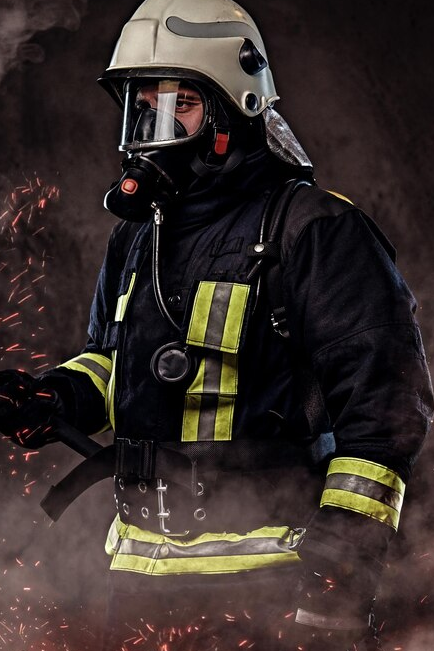
- Safety Gear (Varies by Institute)
- Uniform, helmet, gloves, safety boots, etc.
- Some institutes may charge separately for this or include it as a refundable deposit
- Site Visits / Industrial Exposure
- Visits to industries, plants, or fire stations for real-world exposure
- Usually part of the curriculum in reputed institutes
- Job Placement Support (Optional)
- Resume building and interview training
- Job placement assistance or campus recruitment drives
- May be included or offered as an add-on service
Duration of the Diploma & Its Impact on Course Cost
The duration of a Diploma in Fire and Safety can significantly influence the total course fees, quality of training, and career outcomes. Here’s how:
Common Course Durations
Course Type | Typical Duration | Who It’s For |
Short-Term Certificate | 3–6 months | Beginners or working professionals seeking quick upskilling |
Standard Diploma | 1 year | Most popular format for freshers & job seekers |
Advanced Diploma / PG Diploma | 12–18 months | Graduates or professionals targeting senior roles or international jobs |
Is a Fire and Safety Diploma Course Worth the Investment?
Absolutely—yes, a Diploma in Fire and Safety is a worthwhile investment for those seeking a stable, respected, and in-demand career in the safety domain. Here’s why:
- High Demand Across Industries
With increasing focus on workplace safety, industries like oil & gas, construction, manufacturing, aviation, and healthcare are actively hiring certified safety professionals.
- Gulf Countries, Europe, and India have a strong need for fire & safety officers
- Government mandates and ISO standards have made safety roles essential
- Affordable Entry into a Specialized Career
- Course fees range from ₹10,000–₹40,000, making it accessible to most students
- No need for a high-cost engineering degree
- Even 10th or 12th pass candidates can enroll and build a career path
- Good Salary Potential
Location | Starting Salary (Approx.) |
India | ₹15,000 – ₹35,000/month |
Gulf Countries | ₹40,000 – ₹90,000/month |
With Experience | ₹50,000 – ₹1.2L+/month |
Certified candidates with international credentials ( ESC, BCSP) earn significantly more.
- Quick Career Start
- Short duration (3–12 months) means faster job readiness
- Many institutes offer placement support or campus interviews
- Job roles include Safety Officer, Fire Inspector, HSE Officer, etc.
- Career Growth & Global Mobility
- A stepping stone for advanced safety certifications ( ISO Lead Auditor, BCSP)
- Openings in India, UAE, Qatar, Saudi Arabia, Malaysia, and more
- Growth into roles like Safety Manager, HSE Lead, Fire Chief, Compliance Auditor
- Social Value & Job Security
- You’re directly responsible for protecting lives and property
- Safety jobs are recession-resistant and vital across industries